
Loading...
Serving Salinas, CA and surrounding areas. (831) 243-7395
Salinas Sunrooms and Patios is a sunroom contractor serving Carmel-by-the-Sea, CA with custom sunrooms, patio enclosures, and sunroom additions designed for the village's storybook cottages and coastal environment. We have served Carmel-by-the-Sea and the surrounding Monterey Peninsula since 2017, and we are familiar with both the City of Carmel building permit process and the architectural design review that applies to most exterior projects in the village.
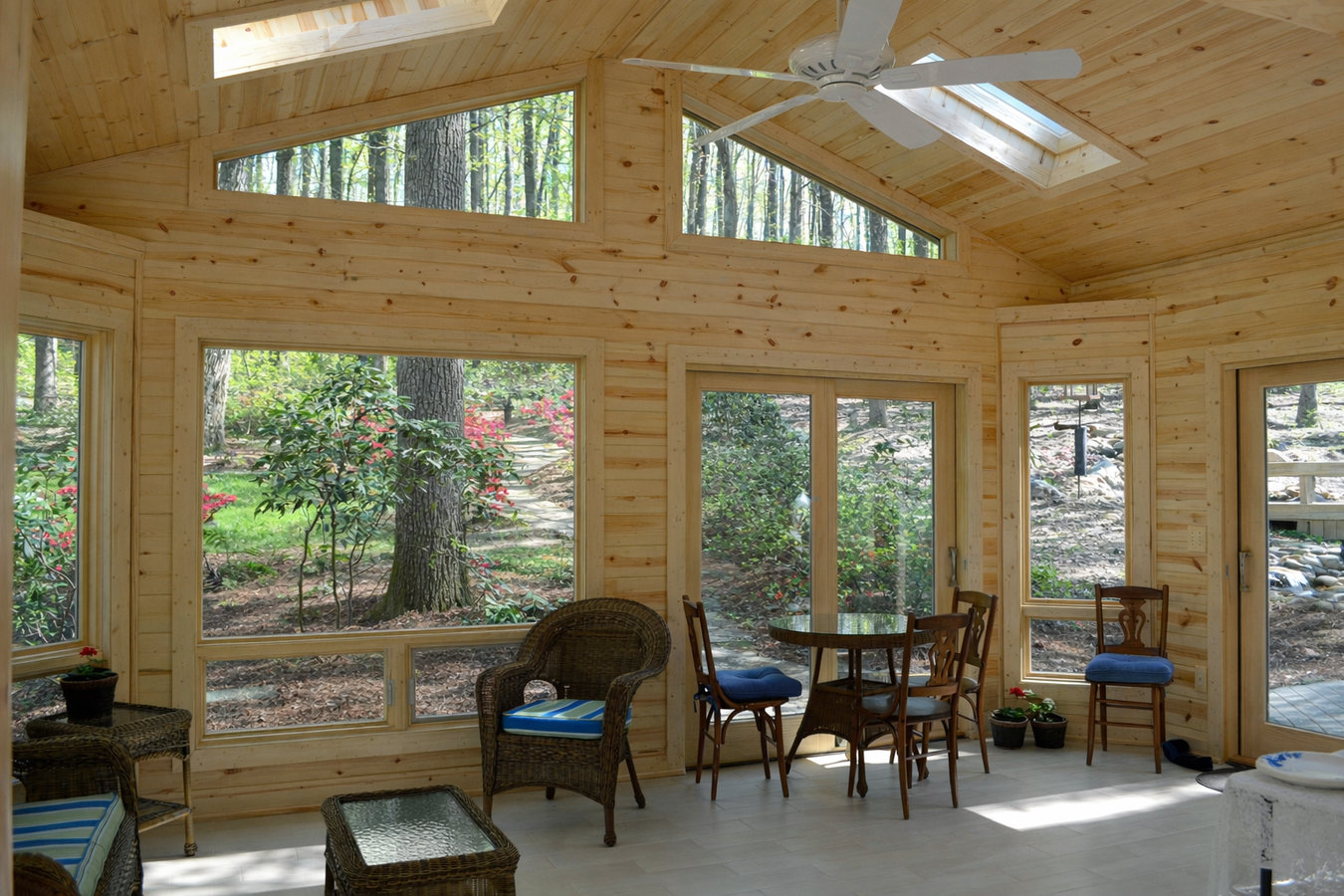
Carmel-by-the-Sea has strict design standards that govern what can be built on the exterior of any property in the village. A custom sunroom designed to match the specific roofline pitch, exterior cladding, and proportions of each cottage is far more likely to pass Carmel's architectural review on the first submission - and it will look like it belongs there rather than an addition bolted on from another era.
Many of Carmel's original cottages were built with compact floor plans under 1,500 square feet, and the small lot sizes leave few options for gaining living space. A rear sunroom addition that respects the roofline and uses exterior materials compatible with the original structure is a natural fit for these homes - it adds usable square footage without the full complexity of a traditional room addition, and the light-filled character works with the village aesthetic.
Carmel cottages often have a covered rear patio or terrace tucked among the Monterey pines, and enclosing that existing structure converts it into a year-round room at a lower cost than a full addition. The existing overhead cover provides the structure, and the glass walls and weatherstripping add the protection from the ocean wind and fog that makes outdoor living in Carmel uncomfortable for much of the year.
Carmel's cottages are charming but often cold - the original construction used minimal insulation, and the damp coastal air makes unheated spaces feel colder than the thermometer reads. A four season sunroom with insulated low-E glass and proper thermal breaks in the framing creates a room that stays comfortable year-round, including on the rainy mornings from November through March when the village gets the bulk of its annual rainfall.
On the pleasant afternoons when the fog has cleared and the pine-shaded garden is at its best, a screen room lets Carmel homeowners enjoy the outdoor setting without the strong ocean breeze that can pick up off the bay in the afternoons. It is a lighter investment than a full enclosure and a natural fit for the cottage-garden character that defines so many Carmel properties.
Carmel's winter rains - averaging around 20 inches annually, mostly between November and March - make an uncovered rear patio difficult to use for a good portion of the year. A properly designed patio cover sized to match the scale of the cottage keeps the space dry without requiring the full commitment of a glass enclosure, and it provides the first step toward a future enclosed sunroom if the homeowner decides to expand later.
Carmel-by-the-Sea has two layers of challenge that most California cities do not - historic building stock and strict local design oversight. A large share of the homes in the village were built between 1910 and 1940, with original wood framing, hand-hewn details, and exteriors that have been through a century of salt air, pine needle accumulation, and coastal moisture. Wood rot at the sill plate, header framing, and any exterior member that has stayed damp over the years is common on these older cottages. The attachment point of a sunroom addition needs to be fully assessed and any rot or structural compromise repaired before framing can begin - skipping this step on a Carmel cottage leads to failures that are expensive to fix later.
On top of the structural complexity, Carmel's municipal code requires design review for exterior changes, including additions, enclosures, and patio covers. The City of Carmel Building Department processes both the technical building permit and the design review, and projects that do not match the village character in terms of roofline, materials, and scale are sent back for revisions. A contractor who does not know this process can cost a homeowner several months and additional design fees. The salt air here also demands marine-grade materials at every exposed joint and connection - a detail that separates a sunroom that lasts from one that needs significant repair within a few years.
Our crew works throughout Carmel-by-the-Sea regularly, and we understand the local conditions that affect sunroom contractor work here. The homes we encounter most often in the village are the original storybook cottages - small, irregular in footprint, sitting on dense pine-shaded lots where material staging and equipment access require more planning than a standard suburban job site. Parking restrictions near the village center, narrow lanes, and the close spacing of homes mean site logistics need to be worked out before the crew arrives, not on the morning of installation.
The village is centered on Ocean Avenue and extends to Carmel Beach at the foot of the main street - a geography that puts virtually every residential property within a short walk of the water. That proximity is the source of the salt air exposure that wears on exterior materials here. We also serve homeowners in nearby Pacific Grove, where the Victorian housing stock and coastal conditions present similar challenges, and we understand how the permit and design review processes in both cities differ from one another.
Many Carmel homes are used as second or vacation properties, which means owners are not always present for the assessment and construction phases. We provide written documentation of all structural findings during the site visit and keep owners informed by phone and email throughout the project - particularly when a structural issue is discovered that affects the project scope or timeline.
Contact us by phone at (831) 243-7395 or through the estimate form on this page. We respond to all Carmel-by-the-Sea inquiries within one business day and can typically schedule a site visit within the week.
We visit the property to assess the attachment wall framing, foundation at the addition point, existing drainage, and the condition of any adjacent roofline. For vacation properties, you do not need to be present - we document all findings in writing and provide a detailed itemized proposal before any work begins.
We prepare and submit the permit application to the City of Carmel Building Department, including any materials required for the architectural design review. Carmel's combined review process typically takes six to ten weeks - we track progress and handle any corrections or additional information requests from the city.
Construction typically runs four to six weeks after permit approval. We schedule city inspections at each required phase and complete a final walkthrough with you before closing the permit. We leave the site clean and document the completed work in writing.
We serve Carmel-by-the-Sea homeowners and vacation property owners throughout the village. No obligation - we will assess your property and explain exactly what is involved before you commit to anything.
(831) 243-7395Carmel-by-the-Sea is a small incorporated city covering roughly one square mile on the southern tip of the Monterey Peninsula, with a permanent resident population of about 3,200 people. The town was founded in the early 1900s as an artists and writers colony - poet Robinson Jeffers built Tor House by hand on Carmel Point during this era - and the village character shaped by that founding history is still evident in the housing today. Most residential properties are small, single-family storybook cottages with steeply pitched roofs, natural wood or stone exteriors, and lots shaded by mature Monterey pines. The city actively enforces design standards that preserve this character, which means exterior work on any home in the village requires careful attention to compatibility with the existing structure and neighborhood.
The village draws millions of visitors annually to Carmel Beach, the galleries and shops along Ocean Avenue, and the surrounding natural landscape. A significant share of the housing stock is used as second homes or vacation properties, which means deferred maintenance is common and owners sometimes need multiple repairs addressed in a single project window. Adjacent to Carmel to the north is Pacific Grove, which shares similar Victorian and pre-1960 housing stock and coastal conditions. Both cities sit within the broader Monterey Peninsula service area we cover from our Salinas base.
We know the village, the permit process, and the coastal conditions. Call today and we will schedule a site visit within the week.